University & College Counselling Journal
University & College Counselling is a quarterly professional journal for counsellors and psychotherapists in further and higher education, published by the British Association for Counselling and Psychotherapy. It is free to members of BACP Universities & Colleges division and aims to keep readers up to date with the latest developments in this field. U&CC includes informed and thought-provoking sector-specific articles, updates on research, and regulars, such as division news, all aimed at supporting best practice.
The journal welcomes contributions from members and other experts in the field, including articles, and letters. If you would like to contribute, please contact the editor, David Mair, at david.mair@bacp.co.uk
The following guidelines offer advice to authors on the flavour and construction of your article and submission requirements:
UCC author guidelines November 17
If you would like to review a book for the Journal, these guidelines offer advice:
Views expressed by writers and individual contributors are not necessarily those of BACP UC or BACP.
Advertising for courses, conferences, publications and other relevant events or materials can be placed by contacting Adam Lloyds on 020 3771 7203 or email
A sample of articles can be downloaded from the lists below. Complete issues downloads are available to members from the Members' Area of the website.
Non members can subscribe to the Journal for £25.00 per annum. Single copies of the Journal, either additional or back issues, can be purchased from BACP on request at a cost of £8.50 per copy. Similarly, single articles (other than those available as free samples below) can be purchased for £2.75 each. See the lists below and the Index for details of these. Contact us.
November 2017
- The death of online therapy: making sense of how technology and therapy meet. As technology becomes embedded in all of our lives, how relevant is it to distinguish between face-to-face and online therapy? Terry Hanley explores
- Some challenges for psychodynamic counselling in further and higher education: Colin Feltham asks whether the tenets of our foundational trainings are always relevant and helpful in our work
- Twenty-seven years of peer support at Oxford University: a work in progress: Anne Ford traces the history of peer support at Oxford and outlines the many benefits that collaborative work brings for students
- In defence of trigger warnings: Amy Beddows challenges the notion that students are being over-protected when they are warned of potentially traumatic content in academic settings
- In or out of control? Viewing sexual compulsion otherwise: Dominic Davies questions the notion of sex addiction and explores alternative theories for understanding compulsive sexual behaviour
September 2017 
- Young people- not straight not narrow: as more young adults choose to define their sexuality and gender identity across a broader spectrum, Neil Young explores this significant social change
- Creating a connection: Sarah Worley-James discusses how to establish an effective online therapeutic relationship most effectively through the written word
- If you teach a man to fish, he needs to know how to mend the net: does staff engagement have to interfere with the primary purpose of student-led peer support? On the contrary, it’s empowering and vital, asserts Ralph Armstrong-Astley
- Counsellors and the culture of organisations: the organisational context in which counselling takes place can have a major influence on therapeutic practice, explains Peter Jenkins
- Fear of the shameful failure: Charmian Beer considers how, within the success-driven culture of HE, resulting anxiety can pass from client to counsellor and enter the supervisory space
- The wonder of student counselling: reconnecting with a sense of wonder enables client and counsellor to know each other differently and it can potentially bring about transformation in the therapeutic relationship, says Paula Seth
May 2017 
- 'Get out, stay out' – a careers mentoring scheme for lesbian, gay, bisexual and transgender (LGBT) students: Sean Russell gives an overview of an innovative project aimed at helping LGBT students into the world of work
- Counselling across time zones
Online counselling opens up the potential for living in one place and working in another. Sari Robinson describes working for Cardiff University – while living in California - Life after uni: a step into the unknown?
With one eye on graduation and the world beyond, most students experience some level of career anxiety. Sarah Robinson puts the case for closer collaboration between counselling and careers services in order to engage with students at a key point of their student journey - Developing emotional wellbeing
Learning in a group setting is both powerful and a realistic way to help many students who experience the normal anxieties of new educational and social settings. Wellbeing advisors Sue Knight and Abi Tura are enthusiastic about the benefits of compassionate psychoeducation - Delivering online support: the nuts and bolts behind a student-friendly service
Getting to grips with the legal and technical underpinnings of providing online services can be daunting. In the second of her series exploring online counselling, Sarah Worley-James guides us through the minefield
March 2017 
- What could they be thinking Understanding the adolescent brain: inderstanding developmental changes in the brain helps demystify apparently irrational emotion and behaviour. Michael Nagel is our guide to the adolescent brain
- From cradle to campus: Abby Goldstein explores the way in which early attachment experience affects the attachment of emerging adults to our institutions
- Novel psychoactive substances (NPS): no longer legal, not always highs: use of drug-like stimulants among students is huge. What are their impact on young brains and minds? John Turner and Kirstie Soar address this complex issue
- Porn and sex addiction: just another mental health issue? Do counsellors discuss sex and porn with clients? If not, why not? Eamonn O’Mahony presents a model for addressimg, understanding and working with compulsive sexual behaviour in clients
- Working online: diving into cyberspace – is it for us? In the first of a four-part series, Sarah Worley-James considers the benefits of working online in student counselling
November 2016 
- Mindfulness at Cam: a report from the Universityof Cambridge where research into a student mindfulness programme is underway
- The 10 Minute Mind: practising mindfulness for just 10 minutes a day can yield real mental health benefits, writes Monique Rhodes. She describes her email-based mindfulness programme
- The 10 Minute Mind at UCL: Catherine McAteer, Head of Service at UCL, reports on the introduction of the 10 Minute Mind programme across the institution
- Being mindful of mindfulness: might potential downsides of mindfulness be underacknowledged? Miguel Farias and Catherine Wikholm caution against notions that mindfulness is for everyone
- Bringing mindfulness to student life: Liz Sparkes describes the route to becoming an ethical mindfulness teacher
- Imposter Syndrome – finding your ground: the experience of feeling like a fraud can overwhelm any of us, in whatever role we find ourselves. Nicola Heath explores this experience and suggests ways forward
- Plus: Notes from FE, Notes from the Chair, Notes from HUCS
September 2016 
- The effects of a ‘vulnerability zeitgeist’ in universities: real need or real life? Kathryn Ecclestone explores, and challenges, the vulnerability narrative that has emerged within education
- When parents push too hard, children can buckle: Parents can unintentionally push their children to breaking point. Tanith Carey highlights the impact on students of high parental aspirations and over-involvement in their children’s lives
- Transition distress- a psychological process: Gareth Hughes reveals how transitioning to further and higher education can trigger distress across a broad spectrum of students
- Suicide and transitions in the university setting: where are we now? Research into student suicide reveals important links to times of transition. Sharon Mallonand Nicky Stanley report
- University counselling services in straitened times: survival of the fittest? Ben Lewis, Past Chair of AMOSSHE, underscores the value of embedded counselling services and describes the challenges facing our services in coming years
- Plus: Notes from FE, Notes from the Chair, Notes from Hucs, and book reviews
May 2016 
-
College counselling in the age of biological psychiatry: a Szaszian perspective
John Breeding challenges the psychiatric model and its reliance on drugs to treat student distress - Responding to risk through behavioural intervention teams. How can we best work with and contain students at risk?
Dave Wilson outlines a cross-service approach - Keeping mental health in mind: the importance of that first conversation
Jackie Williams introduces a pilot e-learning programme for non-specialist staff who encounter students in distress - Freedom and chains: the duality of the university experience for young men with eating disorders. A call for greater awareness of how eating issues affect men as well as women.
Russell Delderfield shares his research findings - Joining the dots: the impact of undiagnosed dyslexia on students
Sarah Olds explores the personal and academic costs for students whose dyslexia remains hidden - Tales from the woods
David Mair shares two metaphors relevant to short-term counselling in education - Plus: Letters, divisional news and updates
March 2016
-
Im bored get me out of here
John Sharp and Brian Hemmings explore an under-acknowledged emotional block to learning - Shanghai experience
Alan Percy takes us on an educational journey to China - If you’ve got issues, we’ve got tissues
Conference report by Ronnie Millar -
Managing a multidisciplinary team
Nic Streatfield and Liz Prance restructured student support in York. They share the journey - The science of influence and persuasion: Ethical ways to increase collaboration
- Dil Sidhu - Plus:Reader mini-survey: findings from the recent online survey of UC members; divisional news; news from JISCMail
January 2016 
- Overcoming shame and silence
Sexual assault is emerging as a major issue for universities and colleges, reports Peter Jenkins - Counselling a changing cohort of clients
A study reveals a steep rise in demand for mental health support from students
Ruth Caleb gives a counsellor’s perspective
Two institutions describe their approaches -
Compassion- the missing value in higher education?
Accepting imperfection in themselves and in others can help students become more resilient, posits David Mair - Be safe, be secure
Maria McGuigan explains how to work safely and legally with data
September 2015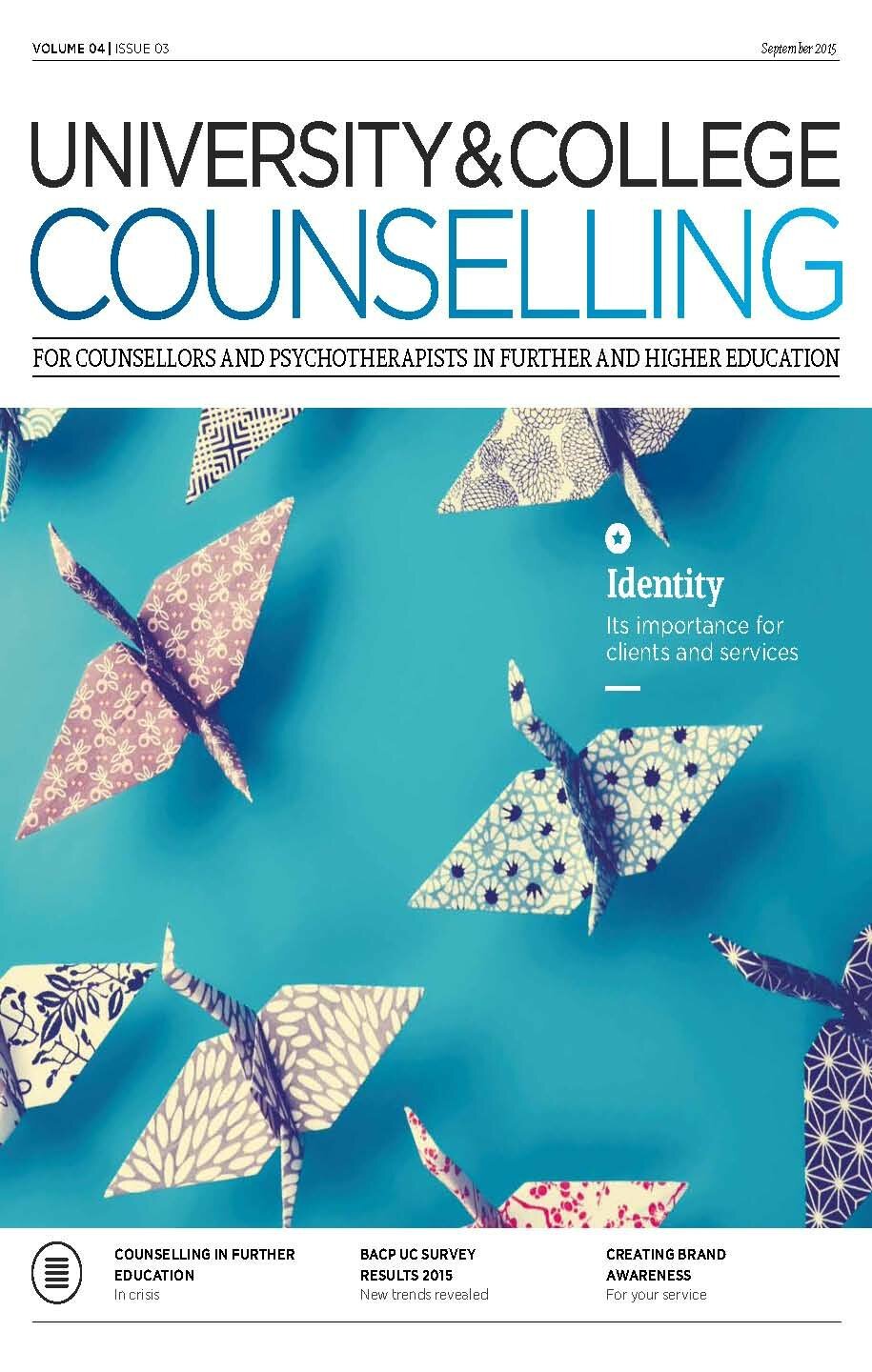
- BACP Universities & Colleges annual survey
Emma Broglia reviews the results - The further education counselling crisis
The impact of cuts and closures, explored by Jane Darougar - Image conscious
Anne Bentley and Dave Sibley outline the importance of a graphic identity for services -
Leaving, living believing
From international student to university counsellor, by Phoebe Song - Shifting identities
Services should adapt to cultural need, argues Sarah Conn - Thinking outside the box
David Mair discusses why gender identity needs to be acknowledged - Preventing and respondingto rape and sexual violence
Cambridge University take a proactive approach, says Géraldine Dufour - The Good Lad Initiative
David Llewellyn discusses promoting ‘positive masculinity’ among male students - Punts, gowns and sexual consent
Why consent workshops are important, by Amelia Horgan
 May 2015
- Student mental wellbeing: whose responsibility? Dr Ruth Caleb argues the case for government and senior management involvement
- Counter-terrorism on campus: student or suspect? An eight-page report. Recent government legislation will have a severe impact on counsellors in education, states Peter Jenkins. Plus: two college counsellors write of the effect on them and their work
- No man or woman is an island: The benefits of student peer support can be huge, writes Anne Ford
- What's going on? Thinking creatively helps work through therapeutic ruptures, states Jeremy Christey
- There's a superego stalking the corridors: John Taggart explores the particular pressures encountered by students of the healthcare professions
- Divisional news; Notes from the Chair; Notes from HUCS; the 2015 BACP UC Conference
 March 2015
-
The tyranny of waiting lists
Louise Knowles outlines how she runs a service without one of them - Student counselling - the research challenge
BACP UC PhD scholar Emma Broglia describes her new role - Creative tensions
Susan Marshall explores working with the ‘not knowing' with fine art students - Get with the programme
Mark Fudge writes of his service's journey to an electronic client management system - Here (and now)
Anne Bentley talks about the Listening Post, where students can be heard at the time when they need to be - A changing relationship
Esther Hunt explores the therapeutic power of creativity - Divisional news
- Notes from HUCS
- the 2015 BACP UC conference
 November 2014
-
Bringing the 'self' into self-harm
Andrew Reeves outlines why we need to understand our own process, in order to make sense of our client's - Counsellor in court
Peter Jenkins interviews Aileen Ross about her experience - The antidepressant generation
Why the medicalisation of developmental difficulties is a concern for Doris Iarovici - Hard work miracle
How a therapeutic men's group was founded. By Rob Sharp and Dan Pitt - It's not what we say but how we say it
The relationship between attachment styles and communication technology is explored by Linda Cundy -
When the worst happens
Managing the aftermath of student suicide
 September 2014
- #Promote
Ruth Clowes looks at the importance of marketing your service within your institution - Get the message
Jo Ames outlines why university and college services are well placed to provide online counselling - Course work
Mood Boost is an innovative group approach to working with students with depression, says Dr Denise Meyer - It's OK not to be OK
Emotional self-care is as important as high achievement, says Doris Ioravici -
The positive wider impact of counselling provision in colleges and universities
Patti Wallace makes the case for the wider benefits of embedded counselling services in higher and further education settings - The present moment
Margaret Landale believes that mindfulness can enhance the therapist/client relationship - A kind of magic?
Peter Jenkins and Tracey Lowden discuss Duty of Care issues in a sixth form college - Q&A
Jeremy Christey, new Chair of BACP Universities & Colleges -
A day in the life
Head of Counselling at Cambridge University, Geraldine Dufour
 May 2014
-
Always present
Dr Maggie Turp gives a taste of her BACP Universities & Colleges conference keynote - BACP Universities & Colleges Conference 2014
The full programme outlined -
Developing fully rounded individuals
Professor Robert Thompson argues for a developmental model of higher education - Recruiting an associate
What is the value in working for free? Enrica Balestra, Jane Darougar, Andy Rogers and Kathryn Taktak share their views. - Call of duty
Peter Jenkins outlines the difference between the ethical and legal issues related to ‘duty of care' - Not beyond the realms of possibility
Jonathan Hales on invoking hope for positive change in clients
 February 2014
- It's a man thing
Colin Murphy suggests strategies to help male students realise their potential whilst learning -
Say what you mean, mean what you say
Working with students with Asperger syndrome requires specialist skills, says Maxine Aston -
Enabling the capability within
Rachel Shepley explains why mental health mentoring is such an important role - Animal magic
Lindsay Crago and Jenny Leeder outline the stress-reducing effects of an innovative pilot project - Counselling Jamaica's millennial generation
Angela Gordon Stair et al describe a successful university counselling initiative using online and mobile phone technololgy - Want to know more about procrastination? Not right now!
Bilge Uzun Ozer reveals the findings of a recent study of UK and Turkish students
 September 2013
-
Diversity, prejudice and privilege
Dr Keon West challenges assumptions about prejudice and privilege when working withstudents from diverse background -
Mother and other tongues
Ali Zarbafi discusses the importance of the second language as a bridge to greater self-awareness and release in the therapeutic space - Towards greater cultural competency
Adam Cox argues that achieving greater cultural competency will free us to work more creatively with clients from minority groups - Disability in and out of the counselling room
Julia Segal explores the complex interpersonal issues raised when working with people with physical illnesses and disabilities - Working with D/deaf clients
Michèle Taylor argues for a combined social and trans-cultural approach when working with D/deaf clients - Reflections on difference
David Glyn considers the concept of difference and its presence in the work of the student counsellor - Unreasonably blessed
Mark Phippen reflects on 30 years of counselling in further and higher education
 May 2013
- Mental Health Week... getting the message out!
Bea Gavin describes how the university counselling service where she works is continually seeking innovative ways to raise its profile in the student and academic community - At ease with presentations:
Anne-Marie Bradley outlines a workshop designed to help students accept their fears about making presentations and develop a more playful approach -
Emotions and learning - in praise of a forum
Phil Topham shows how a forum on emotions and learning can promote inter-professional conversations about student support and development - Supervisor self-disclosure
Mike Owens considers the potential impact of what supervisors reveal to counsellor supervisees during supervision, and how to use supervisor self-disclosure well -
The place where I touch base
Hania Porucznik describes a psychodynamic therapeutic group that she developed within her university counselling service - Visible silence - the actor's body
Roanna Mitchell invites input to her research into how counselling services and teaching staff can work more effectively together on body image problems among student actors - HUCS consultation and mentoring scheme
Géraldine Dufour outlines a new consultation and mentoring service for senior managers
 March 2013
-
Understanding your eating
Julia Buckroyd describes a psycho-educational intervention that focuses on core issues Buckroyd - Eating disorders
features, causes, treatments and outcomes Consultant psychiatrist Hubert Lacey summarises the presentation, diagnosis and medical treatment of eating disorders - Coming out of the food cupboard - supporting young men with eating disorders
Young men may feel huge shame and denial of their eating disorder. Russell Delderfield shares his story - Helping students with eating disorders
Eileen Murphy offers advice and strategies for university counsellors to help them help students with eating disorders - Addressing eating problems with DBT
Christine Dunkley explains how dialectical behaviour therapy can be used with clients in an outpatient setting - A group for students with eating issues
Sue Anderson describes a group project for students that combines therapeutic support and psychoeducation within a brief model -
Research
Mary Dailey and Tina Abbott report the headline findings from the 2011/12 survey of BACP Universities & Colleges members Research - From the editor
- Letters to the editor
- Book reviews
- BACP Universities & Colleges updates
 November 2012
- The impact of counselling on academic outcomes in further and higher education: the student perspective
Briefing paper, P Wallace -
The times they are a-changin'
Therapy and the search for evidence, by Andrew Reeves -
The impact of counselling on academic outcomes
A year-long, sector-wide piece of research into the impact of counselling on academic outcomes was conducted by Patti Wallace, Lead Advisor, University and College Counselling, with data contributed by many AUCC members and member institutions in higher and further education in the UK - Counselling staff
How time-limited counselling can effect change in wellbeing: Jill Collins, Colin Dyer and Diana Shave reflect on their research study - Giving ‘a face' to the institution - the value of an embedded counselling service
In a time of scarce resources and mounting pressures, how students value their educational experience is becoming increasingly important, and that includes the support they can access along the way. Judy Moore and Kathleen Lane report on their research findings - Relationships at the heart of the student experience
Anne Marie Reilly draws attention to research that provides evidence of the importance of relationships for students and argues for the value of in-house counselling alongside teaching and peer support - Is once enough?
What is truly useful to the clients we serve? Polly Brown proposes there is mileage in offering a one-off session in some cases - Building evidence that counts
Denise Meyer argues that between us we have the capacity to produce ever more convincing and credible evidence of our value and effectiveness - and calls upon every service to take seriously the urgent need to rise to this challenge in the current climate - On co-creating the student experience
Ed Pinkney on why counselling services ought to collaborate with students, and how they can support student-led mental health initiatives
 September 2012
-
On the threshold
Terri Apter considers the pressures students encounter and how we might be able to assist them in sustaining themselves and their family relationships -
A sustainable future
Making sense of the student experience 2012 and beyond: Robin Dollery considers the challenges and opportunities for students, staff and counsellors - Encountering religion and spirituality
Is there a role for religion and spirituality in our counselling services? Alistair Ross suggests that sometimes, it can be essential - Mind your head
Former student union officer Seb Baird argues that reducing stigma around mental health should be as high a priority as counselling interventions - Conference workshops
- Counselling people who use drugs and alcohol - a family approach
Peter Cartwright suggests we need to move beyond conventional approaches and offer a wider perspective - Loosening the strength of self-doubt
Self-doubt can plague students throughout their academic careers and lives. Sally Ingram suggests we can help - The capacity to endure
Annie Tunnicliffe on connecting counselling and sustainability - Opportunity or threat?
Sarah Hinds tackles concerns about low attendance or lack of interest from students and implications for services
- Counselling people who use drugs and alcohol - a family approach
- AUCC updates
- Mind the evidence gap
Kitty McCrea explores the lack of evidence for Further Education counselling services and suggests options for those that want to provide evidence of their effectiveness. - Surrendering counselling notes to the police or courts
Mary Jones on what to look out for when asked to surrender counselling notes to the police or courts - Stepping out
Perspectives from the Irish context: Susan Lindsay, former head of counselling - Conference Q&A
Wellbeing, well, well, well... compiled by Mary Dailey
 May 2012
- From the editor
-
The bright side of life
Some thoughts on developmental and defensive uses of humour: In these hard times, with many services closing, humour can be in short supply. Nick Barwick explores humour's many uses - Looking back
Jean-Shefalie Hollis reflects on her work in a small specialist college - Making a difference!
The role of the Service Coordinator is little written about yet is vital to the smooth running of the counselling service for students and counsellors alike. Helen Rowland and Jenny Aster describe the role they both share and love -
Challenges in working with hard-to-reach students in further education
Clients who do not attend can present a number of challenges, not least of which can be organisational. Enrica Balestra on the value of perseverance - Staff Counselling works, OK!
Mary Dailey on the current state of play of qualitative research into the impact of counselling on staff experience of work and the workplace - The impact of in-house counselling on academic outcomes:
At a time of ongoing restructuring of student services in FE and HE, Patti Wallace, BACP Lead Advisor, University and College Counselling, reports on her findings to date - From morning coffee to lights out:
Assistant Director of Student Services at Manchester Metropolitan University, Yvonne Harris, describes how she juggles her multiple roles in a single day - Solution focused brief therapy:
Peter J Eldrid on the value of solution focused brief herapy in his work with students
 March 2012
- From the editor
- Christopher Scanlon and John Adlam explain that organisations working with distressed people can themselves unwittingly become traumatised
- Making people appy
Phil Topham reflects on issues arising from developing a self-help mobile phone application for students -
The impact of hypnotherapy on the student experience
How the use of hypnotherapy helped ease the pressure on a counselling service - Speed supervision
At a time when cutbacks and organisational uncertainties are all around us, the need for high quality and efficient supervision may have much to commend it - Introduction to CBT
Mike Owens proposes that cognitive behaviour therapy can be integrated with interpersonal and experiential counselling to benefit clients and counsellors alike - Ruby Wax – off the couch and onto the web:
Dawn Hastings reports on Ruby Wax who went back to college as a mature student
 November 2011
- From the editor
-
In support of counselling services - higher education
At a time of increasing financial constraint and restructuring initiatives, Ruth Caleb talks to Professor Sir Bob Burgess, Vice Chancellor of Leicester University - In support of counselling services - further education
Peter Sampson manages the delivery of welfare, pastoral and learning support services tostudents at Cornwall College. Dawn Hastings interviews him - Education and debt
How can counsellors respond positively? Les McMinn shares some ideas - Counselling and academic outcomes
Patti Wallace reports on the first stage of data collection and analysis - The Teesside University counselling model
Steve Scott-Marshall shares his experience of embedding the counselling service into the university, with benefits for all -
Cardiff University staff counselling service
Tina Abbott puts the case for an internal staff counselling service Cardiff University staff counselling service - Why it makes sense not to outsource your resources
It is essential to think about the likely state of mind of students seeking psychological help, says Robert Harris - Group analytic supervision in HE
Margaret Smith outlines research into the effectiveness of group supervision and reflective practice groups using a group analytic model - International students
Alison Barty describes a new kind of intervention aimed at international students - Tools4Life
A new programme, devised and co-facilitated by Martyn Lloyd and Irene Stone, aims to provide tools for life to both students and staff - Mediation
Richard Worsley explores the role of counsellor-led mediation as a way of resolving disputes and adding value to the institution - Book reviews
- Notes from the Chair
Update and thoughts from Chris Holt
 September 2011
- From the editor
- State of mind
How can we understand our role in our organisations in a period of turbulent change, asks JulianLousada. Are we just observers,or have we been enthusiastic or unwitting participants in a process we now regret or cannot control? - Mirror neurons
Bob Harris highlights recent developments in the field of neuroscience on the effect of mirror neurons and considers the implications for clinical work with students - Pornography
Duncan E Stafford is on a professional mission to educate and persuade more therapists to start working overtly with issues around pornography and cybersex - Online support
In the face of rising fees and fierce competition for places, the stakes and stress levels of students are rising, with many already experiencing mental health issues prior to arrival at univerisy or college. Jenny Hyatt describes a new approach to student wellbeing - Breathing for self-care
Dawnie Brown provides a theoretical insight into the importance of understanding the process of breathing in relation to client healing and self care -
Clay Therapy
Lynne Souter-Anderson suggests that the rise in interest in alternative therapies may be the result of counselling becoming mainstream within mental health provision, and the realisation that to rely solely on talking therapies is not the only way to improve emotional wellbeing - A walk in the park
Maggie Smith reflects on the changes she has encountered in her career in HE and where she thinks the sector might be heading - AUCC news:
Workshop report
Conference Q&As
Members update
FE news
Nomination statement - Book reviews
- Notes from the Chair
Update and thoughts from the Chair, Chris Holt - AUCC conference 2011 in pictures
 May 2011
- From the editor
- Taking social anxiety seriously
Avoiding social encounters and public speaking, or enduring these with considerable distress, is a common experience for students and others, many of whom fulfil clinical criteria for social anxiety. Eamonn O Dochartaig explores. - An attachment approach
Jane McChrystal argues that with more students experiencing financial pressures in addition to developmental and academic challenges, and staff facing increased demands with fewer resources, an attachment perspective can provide a useful approach. - Fear-free caregiving
Una McCluskey beleives an understanding of how the fear system interacts with the attachment system is vital - Bereavement group
Bereaved students often struggle with feelings of isolation. David Glyn explores the benefits of a bereavement group. - Setting up a peer support service
Tina Usherwood looks at the role of peer support in her institution. - A day in the life of....
Bhavna Abbi, ond of five University of Wolverhampton student counsellors, describes her day - A resume of a presentation given to the national Head of University Counselling Services (HUCS) meeting in February
- The value of an in-house service
Patti Wallace distils recent email discussion on the HUCS mailbase as a guide to how wto present evidenced arguments in support of counselling services - Recent references
A useful summary of sources relevant to stuent mental health and counselling outcomes - Book reviews
- Notes from the Chair
Update and thoughts from the Chair, Chris Holt - 2011 BACP Awards
Details of categories and how to apply
 March 2011
-
Running a mindfulness group
If it works for Tibetan monks, can it work for students? Cathy Theaker reports on her experience - Identity, melancholia and self-esteem
Bob Harris on how a psychodynamicunderstanding can help young people develop healthier self-concepts - Finding your worth - with group CBT
Nicky Mitchell describes the delivery to higher education students of process-focused group CBT for self-esteem - Making a difference - the roles of groups in developing self-efficacy
Liz Diamond and Anne Proctor offer two perspectives on how groups can help develop individual self-efficacy and at the same time aid the counselling service to become more embedded in the institution - Creating a labyrinth
Heather Walker on how she was inspired to make a portable labyrinth - A personal experience of a labyrinth
Mandy Gaylard recalls a visit - Football as therapy - It's the best antidepressant ever!
says Peter Eldrid - Coming out of apathy
David Mair and Sue Knight throw out a challenge to counseling services, arguing that for lesbian, gay, bisexual, transgender and queer students, active support is what is needed - A rock and a hard place
Andy Bateman poses another ethical question - Congratulations, Cardiff!
BACP award for a client-focused university counselling service that has reduced its waiting lists to zero - Working with volunteers
Pam Braithwaite shares her experience
 November 2010
-
Changing minds in therapy
Margaret Wilkinson, keynote speaker at the AUCC Conference, explains: Counselling must allow for the importance of the affective and relational as agents of change, as well as the task of changing cognitions, if it is to assist in the process of changing minds at depth. - Supporting and mentoring care leavers.
The transition from being a looked after child to college or university student can be particularly duanting. Marie Franks and Suzanna Stein describe a new support programme. - Mentalisation.
The capacity to mentalise fosters greater command of emotional regulation and the ability to develop stable relationships. Jo Joyce illustrates this approach in action. - Sex addiction and the internet.
Eamonn O'Mahony explores the landscape of sex addiction, how it manifests itself through internet use, and effective ways of working with the issues that may appear. - Internet highway.
Dorothy Griffiths explores the impact of technology on the life of a young student seeking help with his excessive computer use. - Bullying as trauma
Mandy Roland-Smith outlines a psycho-educational approach to working with students. - Action on bullying
Angela Hodgson looks at practical action to take when bullying behaviour comes to light. - From multiculturalism to diversity
Val Watson and Shukla Dhingra argue that person-to-person contact may provide the most effective means of learning and healing. - Managing change in changing times
Is counselling out of step with strategic thinking and financial reality? Melanie Withers suggests that diversification may have sound clinical and institutional advantages over the old regime. - Counselling in HE
Nigel Humphrys looks into the future. - A rock and a hard place
Andy Bateman introduces a new regular FE feature. - A year of HELCO
Fotini Roberts outlines the activities of the Higher Education London Counsellors group.
 September 2010
- The vanity of looking back
Professor Michael Jacobs considers whether looking back to a supposed golden age is a narcissistic fantasy or of value in understanding where AUCC is now and where it might be heading: nostalgia or learning from history? -
In the beginning... archaeological evidence of life before AUCC
Elsa Bell looks back at how things have changed and how the echoes of current challenges and differences remain to this day. - Congratulations!
A visual celebration of AUCC's 40th birthday. - That's it for now...
AUCC's 40th was also the University of Edinburgh Counselling Service's 40th. AUCC journal caught up with Susie Jackson just before her official retirement. - From the archives
Kunu Gordon trawls through the history of the ASC/AUCC journal. - Where are we and how did we get here?
Personal reflections on AUCC and diversity byAlison Barty and Colin Lago - Staff SIG - past, present and future
Angela Hodgson and the story of the Staff SIG within the history of workplace counselling - Caught in a trap (I can't walk out)
How dual relationships inhabit and inhibit our working lives. By Mary Dailey - Updated AUCC Guidelines
Essential reading for AUCC members. - Try to see it my way
Ann Heyno examines the potential for conflict between the role of a head of counselling and the role of a student counsellor. - And so farewell...
After more than 25 years as a counsellor in FE and HE, Suzanna Stein stepped down from her post as head of welfare and student support, deputy director of student affairs. Here, she shares some interesting insights. - A counselling adventure
Pamela Jones and Callum Anderson outline the development of Adventure Therapy, how they have applied it on a practical basis and explore how it is still evolving in a dynamic HE setting. - Manager's musings - Is it all a question of timing
asks Dave Berger.
 May 2010
- Tackling anger across an institution
Amidst concerns about young people's ability to manage conflict, one FE college met the challenge head on, as Jane Darougar explains. - Higher ambitions
Les McMinn warns that, in the face of cuts, we have to acknowledge the need for our services to add value. - The Canterbury Labyrinth
At the University of Kent, labyrinths are used as part of the counselling process. Maggie Smith describes the benefits. - Developing self-care - small steps beyond ticking boxes
Linda Dubrow-Marshall highlights the importance for university and college counsellors to develop a plan for self-care - Plus ca change
The Student Counselling Service at the University of Edinburgh celebrates its 40thanniversary this year. Ronnie Millar looks back on its development. - Big boys should cry
Sue Dominey and Adam Burns report on a poster campaign at Leeds Metropolitan University which aims to encourage traditionally hard-to-reach male students to access counselling support - Student-Run Self Help
Student Nicola Byrom has set up a project to develop peer-to-peer support for students with eating difficulties - Researching lives
Insight into the narratives of students with mental health difficulties is vital to understanding the learning process for all students, as Olivia Sagan and Emily Candela explain. - In memory of Nicola Benson
 March 2010
- A brush with the law...
John Cowley, in conversation with Emma Harris, looks at the challenges for students with criminal records who want to forge a 'clean' identity, and explores how education counselling services might be able to help -
Regulation - a lot of work still to be done
Statutory regulation will affect us all. Ruth Caleb, Chair of AUCC, lays out the situation as it applies to the HE and FE sectors - What regulation means to me.
A personal view by Sarah Hinds - Balancing act - defending your service in turbulent times
Anne Marie Bradley and Barbara Lawton on how to help practitioners engage positively with change - The roles offered by counselling services in further and higher education
Ruth Caleb on the many ways that counsellors' skills and training can support their institution, above and beyond one-to-one counselling - A state of trance - integrating counselling and hypnotherapy - a new model
With greater pressure to deliver positive outcomes, Mike Bryant proposes a model to accelerate therapeutic progress by integrating two approaches - 3, 2, 1, you're back in the (class)room...
Susan Lory explains how the counselling service at Southampton Solent University introduced hypnotherapy for quick results with last minute students with academic-related anxiety issues - Are all tongues pink?
A personal view by Peter Eldrid - Manager's musings. Optimist? Pessimist? Realist?
Dave Berger ponders on the most useful standpoint for a manager to take
 November 2009
-
Counselling Services in an institutional context
Hugh Clarke looks at how the impact of counselling services on the wider institution can be maximised when they become part of an integrated student services provision - Horizons are closer than you think...
Feedback from the 'New Horizons' conference and the potential future challenges the profession faces as mental health and wellbeing move up the political agenda, Les McMinn - Senior Welfare Teams
Increasing demand for services means new responsessss are necessary for the diverse needs of students say Vivienne Purcell and Charles Kenderdine - Living Life To The Full
Moira Tattersall describes her experience of successful groupwork for students with depression when teaming up with a community based programme - Slugs and snails and puppy dogs' tails
A new men-friendly drop-in facility helps male students and staff engage with counselling - Brian McMinn and Andrew Reeves report. - BACP Service Accreditation
David Mair on what is involved in accrediting a counselling service and why it is worthwhile. - Action on bullying
Approximately 10% of staff in HE and FE experience bullying in the workplace. Angela Hodgson explores what action can be taken. - Mailbase Dilemma
Mental health and when to refer to the Disability Office. - CALM - two years on
Online self-help tool for students with anxiety, depression, insomnia and stress issues - an update by Catriona Davis-McCabe - The use of single session therapy in a university counselling service.
Linda Dubrow-Marshall shares her experiences - Attachment and the academic
Toni Wright looks at how development style influences learning and development
 August 2009
- Who do we think we are?
In excerpts from her conference keynote speech, Nicola Barden considers integrity and identity in times of change - Fractured selves - the joy and pain of identity
Dr Andrew Reeves considers the parallels between individual and professional transition as counsellors face one of the biggest threats to identity for many years - Chess Denman - Psychiatrist and psychotherapist
Chess Denman in conversation with Janet Aldridge -
Finding oneself in the crowd
Lennox Thomas considers some key factors in student selfdiscovery - One man and his identity
Ian Thompson reflects on experiences that have shaped his identity - The digital divide - How is technology shaping the relational styles of young clients?
Kym Winter argues for increasing debate and dialogue on the collision of the 'new technologies' and asks whether our previously held assumptions and beliefs about self and identity may need to be revisited - Working with trainees on placement
The practice of making use of trainees who are studying counselling in the same institution has long been controversial. Judy Moore reflects on her experience and outlines future changes in her institution - All things to all people?
Dorothy Griffiths considers the impact of multiple roles on professional practice - Open letter
Are 'competencies' enough? Or do our souls need something more, asks Gill Leach - Self-harm - the tale of a local project
Following a recent training, one FE college decided to take action. Sandy Hamilton and Mary Oldham report - How to organise (or not) a local practitioners' networking day
Mary Jones shares her experience
 May 2009
- Life-story narratives of gay, bisexual and queer male students
David Mair puts the case for counselling services to be bold and proactive in taking a lead in mirroring diversity, and considers the implications for training and service delivery. - Men's mental health
In March more than 100 delegates gathered for a day's conference entitled 'Men's mental health: science, stigma and solutions. Paul Lawrence reports. - Universities and the NHS; effectively integrated
Student health and wellbeing can be as important to the community in which they are based as to the institution they attend, explains Nigel Humphrys. - Let's get together
As roles become more specialised, it can be harder to address complex situations in a coordinated way while maintaining confidentiality. Janet Aldridge looks at a pilot project in her institution. -
Organisations behaving badly
Marie Feltham and Jules Howdin reflect on how staff might help their institutions operate more effectively. - Textraordinary Possibilities
Working as a lone practitioner, Justin Miller finds the ability to exchange texts with students to be invaluable. - DNAs – just a fact of life?
Are DNAs just an occupational hazard or are they a form of coded communication, conscious or unconscious? Eve Parsons shares her views. - Measuring the impact of counselling on student achievement
Gill Leach reflects on how practitioners might measure the 'effectiveness' of what we do in relation to academic 'success' by students. - To exchange or not to exchange?
Ulla Cameron and Heidi Gilhooly interview a counsellor from inner city London and a counsellor from the central coast of Australia, who exchanged workplaces for four months.
 March 2009
- Developing web-based university mental health resources
James Taylor describes a pioneering project working with students who may be falling through the net by exploring the possibility of counselling online in real time - Email Security
Stephen Allsopp outlines some of the choices for secure electronic communication - The online alliance
Terry Hanley describes some of the nuances in online counselling based on a recent research project focusing on the experiences of adolescents and young adults - Online supervision
Counsellors in university and FE contexts are increasingly optioning for 'virtual' supervision. Jane Evans considers the implications and two of her supervisees share their experiences - New blogring
How do counselling and welfare services plug in to the powerful interactive potential of the web safely and ethically? Denise Meyer describes new developments at the Students Against Depression website - Critical incidents and student death policies
It is a sad fact of life that in every university, the counselling and chaplaincy services are called upon when there has been a trauma or death affecting a student or member of staff, says Suzanna Stein -
It's so unfair
The loss of a parent can be particularly devastating for a student. Liz Oxley shares her experience of facilitating a support group for premature bereavement - International Student Barometer
League tables are a part of every day life in our institutions. Alison Barty reports on her experience of participating in a student survey - Auditing a small service
Angela Hodgson describes how her service aims for proper auditing, monitoring and evaluation while continually striving to improve
 November 2008
- Who cares? Who cares!
Student counsellors have a particular expertise that could help our institutions provide improved care to students with mental health difficulties. Marie Murray and Susie Jackson report from Ireland and Scotland; Eileen Smith and Susie Jackson outline the work of the Universities UK/Guild HE working group; and Ann Heyno asks 'who's afraid of mental health?' - The solution-focused approach
Focusing on what students want to happen and what they want can have a positive impact as well as some unanticipated ones – and not only on the students. Anne Proctor reports -
Single session second opinions
Mark Pearson reports on a research project, describing the contribution that a single session of assessment by a psychodynamically trained psychiatrist can make to a student counselling service - Do teachers need to be therapists?
Many student-teacher interactions have a potent personal effect on students, at times bridging the gap between teaching and counselling. Amanda Baker explores student perceptions - Supporting care leavers
Ongoing and positive relationships can make all the difference to care leavers as they negotiate the world of higher education. Annie Blackburn reports on how this can be achieved - Holy loitering
The university or college chaplain is charged with the duty of guarding the spiritual aspects of their community. The Revd Charles Sargent considers the difference between counsel and counselling - Dilemma - To care or not to care... and when is a duty not a duty
asks Dave Berger
 September 2008
-
Professionalising Therapy
Could therapy as an institution perpetuate social inequalities, asks Gill Proctor - Counselling Staff
Jill Collins outlines some of the opportunities and dilemmas - Disorienting sex and gender
Therapists should reflect on their assumptions, says Craig Hutchinson - Working with students with a disability
Anne-Marie Bradley reports on a workshop at the AUCC conference - Research - a question of accountability or marketing
Ainslie Green reports on a masterclass with Scott Miller - BACP Annual Research Conference
Barbara Lawton reports - Services under threat
The AUCC staff special interest group offers timely and practical advice - Write here and now
Tanya Zybutz & David Petherbridge describe a project to enhance dyslexia support - The Cardiff Model - an update
John Cowley reports on the results one year on - Is CBT really the end of therapy as we know it?
Peter Eldrid comments on issues raised by the Cardiff Model - From the FE Mailbase
Martin Thornber wonders whether lone counsellors in FE are being asked to contravene ethical codes - London Nightline
Paul Bouanchard and Laura Talanti report on new developments - One in four
Mark Brown introduces a new mental wellbeing magazine for students - Ann Heyno
Elsa Bell marks Ann Heyno's retirement from student counselling
 May 2008
- Julia Buckroyd suggests that the fundamental issue for people who misuse food is a problem of affect regulation
- Challenging and Changing Eating Difficulties in a Group Setting
Penny Hayman shares her experience of tackling disordered eating in a university group setting - Why tamper with perfection?
The development of a workshop on perfectionism. Mel Wright explores what can be done when the process of education gives way to the supremacy of the goal -
Email Security for Counsellors
Stephen Allsop explains how sending an email is the equivalent of an unsealed letter - and what can be done about it - Peer Mentoring - a positive role in Further Education?
Kim Parish shares her experience of this powerful resource - Creating a New Culture - Group Work past, present and future
Penelope Aspinall - Gap Year for Counsellors?
Peter Eldrid describes his experiences in Brazil
 March 2008
- How can counsellors engage with students in a meaningful conversation that will empower, sow the seeds of self-help and seek out different creative ways to harness this activity?
Steve-Scott Marshall & Catriona Davis-McCabe report from the University of Teesside - From By-standing to Standing By
Peer Support in a university setting. Peer Support can provide an important transition to professional help increasing the welfare options of students. Jane Cooper & Carol Dasgupta - Understanding the refugee experience
The refugee issue is a sensitive one. Ali Zarbafi explains the difference between refugees and migrants, and considers how counsellors in education may be able to help -
Helping Students Achieve
The working environment in FE has its own sector-specific issues and practices. Gill Leach describes the personal and academic concerns FE students bring and how she helps tutors understand the issues that may hinder achievement
December 2007
-
Stepped Care - The Cardiff Model
John Cowley explores a radical new approach aimed at turning around the perennial problem of waiting lists - Perspectives on Mental Health in Colleges
Kate Birch shares her research into students' changing mental health needs - Changing Rooms and Changing Lives
Gill Leach reflects on changes as a lone counsellor in an FE college since 1993 - "It may just have saved my Life!"
Denise Meyer reviews some of the feedback on the new-look Students Against Depression website - Where the wild winds blow
Diana Bass considers the amplification of the transitional conflict between adolescence and adulthood in a particular group of students - A Pull out guide to online counselling and psychotherapy in universities and colleges
Jane Evans - Working with Trauma - EMDR in Higher Education
Alice Cook & Colin Brazier describe a project that used EMDR as a treatment intervention - Record keeping and the Law
Peter Jenkins & Stephen Potter report on the impact of the Data protection Act 1998
September 2007
- In conversation with Andrew Samuels
Dave Berger talks to Andrew Samuels about his keynote speech at the AUCC conference, entitled 'Promiscuity, aggression, solitude and hysteria; back passages to the experience of intimacy' - Conferences and committees
Attending the AUCC conference for the first time as a committee member, David Glyn reflects on the impact of joining and not joining -
AUCC Conference 2007
A debutante's view. Trish Middlemist shares her experience of attending conference as a lone FE counsellor - Conference
Delegate Feedback. - Exploring the Unknown Known - the complex process of assessment in an organisational setting
Ann Heyno explores how assessment differs in institutions from the traditional form in private practice - How prepared are you? Reflections on critical incident preparedness - Major incidents and even traumas outside college can have an impact in the classroom
Martin Thornber explores some of the issues facing counselling services - Staff Counselling at the interface - working creatively and flexibly within the organisation
Nicola Benson considers how best to work with organisations, and looks at the value of preventative work - 'Lost in the crowd': Colloquium on the student experience. Vicky Seddon describes a unique forum that considers the changing face of HE
May 2007
- Managing 'risk of harm'
Peter Jenkins explores how the concepts of duty of care and managing risk of harm apply within higher and further education - Working with Disturbance - Future realities for counselling services
Inclusion of mental health under the disability act impacts on what institutions expect from counselling services. Paul Lawrence outlines the issues that lie ahead -
Student Suicide - Improving prevention and response
Ruth Caleb reports on the result of a study aimed at helping higher education institutions develop services to support students and families on the issue of student suicide - Coming up for air - counselling service managers' use of supervision
Based on a pilot research project, Rachael Cretney explores how the use of supervision can be affected when the counsellor is also a service manager - Guidelines for Mental Health Promotion in Higher Education
UUK/ Guild Higher Education Committee for the Promotion of Mental Wellbeing in HE. Rosalind Crouch, Philip Scarffe and Sian Davies - Retention of international students
Paula Reardon describes a simple and cost-effective approach for engaging and supporting international students - Enjoying relationships
Carol Dasgupta describes how an unusual combination of group and individual work helps students deal with relationships - Sex and the Student Counsellor
Paul Pavli looks at the information available to students and considers how the topic of sex might be introduced in the counselling setting of higher education institutions
March 2007
- The glorification of terrorism and curtailments to public and private thinking spaces. Do we still believe in freedom of expression?
David Petherbridge explores to what extent this issue penetrates the counselling setting of higher education institutions - The Terrorism Act 2000 and its impact on Counselling
David Berger considers the requirements for HE and FE counsellors to disclose knowledge - gained by any means - that may relate to terrorism. -
Dealing with the Media
Gilly White explores some of the potential benefits and drawbacks of agreeing to an interview or undertaking any publicity work - A Question of Balance - Using CORE-OM when assessing Suicide Risk
How do practitioners make use of these forms in HE and how do they evaluate their experience? Andrew Reeves & Elizabeth Coldridge report. - Know the Territory - an overview of the UK Higher Education arena
A handy overview of legislation, statistics and trends relevant to student support in UK universities FEDORA (pullout) - Reporting suspected child abuse in Colleges and University Counselling
Peter Jenkins sheds light on the pitfalls and dilemmas faced by counsellors reporting child abuse - Online Counselling
Gill Leach shares her experience as a volunteer 'client' in a training programme and considers its implications for use in colleges
 December 2006
- Mark Dooris and Sharon Doherty describe the benefits of signing up to a health-promoting agenda
- Student retention - Developing students' emotional intelligence aids retention
Paul Vella and Nicky Schlatter explain - New technologies - The impact of technology on students in the counselling room
- Online student support - Counsellors should get together online to share resources and best practice
says Terry Hanley - Online discussion forum
Jane Evans shares her experience of piloting online counselling - Computer therapy - Solution-focused computer counselling?
Jonathan Hales explains -
Internet Power
Denise Meyer discusses the importance of getting to grips with the cultural revolution that isn't all good news - Relaxation workshops
Penny Hayman sets out the format for counsellors who would like to offer relaxation sessions for students - International students - Are groups run for this cohort successful?
Alison Barty reports on a recent survey - Art therapy
Carol Davies makes the case for art therapy groups as an alternative route to 'emotional literacy' - Research - An overview of the recent review of research in FE/HE counselling
- Using CORE
Nic Streatfield reports on the positive therapeutic benefits of using CORE outcome measures as part of the counselling process - A client's story
A student tells how counselling was the best thing she ever did
 Autumn 2005
- Jill Manthorpe, Nicky Stanley, Sharon Mallon and Jo Bell report on the work of the Responses and Prevention in Student Suicide (RaPSS) study
- Supporting staff dealing with suicide
Andrew Reeves offers a straightforward practical approach for staff and institution - HOPElineUK
Tony Cox highlights the importance of supporting those who are most likely to notice the early signs of suicidal tendencies - Suicide - a student's perspective
A vivid and moving description of the pain of student depression - Assessing 'risk' vs promoting resilience
Marilyn McGowan discusses the importance of a multidisciplinary, 'whole institution' approach to suicide prevention - New website resource
Denise Meyer introduces the comprehensive self-help Students against depression website - Online peer support for students
Internet-based support for students experiencing psychological problems at University College London - Mentoring for mental health
Ann Heyno describes a pioneering mentoring programme - Inductions - the importance of meeting and greeting
Alison Barty explains how counsellors can make a unique contribution to effective induction programmes -
Stress Control for Students
Barbara Fairfax and Vicky Groves describe their experience of delivering and evaluating an innovative psychoeducational programme - 'Mindfulness' groups - stress reduction skills for students
Lyn Mooney explains the therapeutic uses of mindfulness and the success of a mindfulness group for students - Writing survival skills - 'Disarming the inner critic' is a crucial skill for writing essays and dissertations
- Nightlines - welfare by night
A look at the best established student peer support scheme, Nightline - Developing student counselling in Sri Lanka
John Cowley rises to the challenge of counselling training in a different culture - AUCC news
Latest tools from the Advisory Service - Book reviews
 Summer 2005
- Colin Lago considers how counsellors might help institutions respond to the needs of international students
- Coming to an end
Jean Clark describes the process of ending her 34-year counselling career - AUCC fit for the future
Following the review of AUCC structure and organisation, Dr Les McMinn outlines the main changes and addresses some of the questions that may arise - Setting up a staff counselling service
Angela Hodgson explains how to set up a service in line with best practice - Employee counselling
Tony Buon considers the controversial issue of management involvement in counselling - Students against depression
A pioneering new website aims to help students with depression or suicidal thinking - The future for FE colleges
Dave Berger reports on the progress of the Foster Review, which is considering the future of FE in the UK - FE sub committee - meeting your needs?
Mary-Teresa Green presents the results of the online survey asking members of the counsellors-in-FE mailbase their views on the FE sub committee - The large group - source of fear or learning opportunity?
Colin Lago argues that the large group experience can provide an ideal opportunity for learning about how institutions work and how you can work within them - AUCC conference - a newcomer's experience
Kate Dunn of Portsmouth University counselling service shares her experience
 Spring 2005
-
CBT in higher education
Nicky Mitchell describes some of the principles of CBT, answering criticisms and setting out its uses in the higher education setting - Client resilience
Hikaru Okuno, of Nishogakusha University in Japan, puts forward the notion of 'resilience' as a useful concept with which to work with students' strengths while recognising their difficulties - Supervision of placement students
During eight years of running BACP accredited counselling training, Susannah Izzard made a particular study of ethical placement provision. This article summarises the key points of her workshop at the 2004 AUCC conference - Latest legal guidelines for sexual abuse issues
Jill Collins and Peter Jenkins answer questions about the implications for counsellors of the new Sexual Offences Act 2003, the Children Act 2004 and the policy document Safeguarding Children in Education - HE counselling in Italy
Gloria Ruggieri, a counsellor at Oxford University, reflects on the differences between the UK and Italian approaches - Leadership begins with the chair
Past chair John Cowley reflects on the main aims, challenges and hoped-for achievements of his time as chair.
 Summer 2004
- There is great sensitivity about addressing black issues in therapeutic relationships and the training and supervision of counsellors. Isha Mckenzie-Mavinga, of London Metropolitan University, discusses
- Helping university staff to help students
Dr Carol Lomax, senior counsellor at Manchester Metropolitan University, describes a model for training and supporting university staff in their roles as potential helpers to students in distress - Debate - what research do we need to do?
Led by chair Morag Patten, the AUCC research sub-committee has recently completed consultation on a strategy document to support funding bids to consolidate and expand its work - Counsellors in FE mailbase discusses work with a client who is deaf
The counsellors in FE mailbase is an active, supportive discussion community where counsellors exchange ideas, compare contexts and conditions, and disseminate a wealth of experience and knowledge -
Working with interpreters using British Sign Language
Bernie Tuohy writes about the challenges and rewards of working with an interpreter using British Sign Language with deaf clients - Complementary eating disorders support service
Nicky Linfield describes the aims of a pioneering project that supports young people with eating disorders through further or higher education - BACP service accreditation builds on pioneering AUCC work
Alan Percy describes the recent review of the AUCC service recognition scheme and the process by which it has merged with the BACP scheme - Assessing and working with students at risk - a HOCCHE one-day conference
Lynn Murley reports on the one-day conference in March 2004, on assessing and working with students at risk
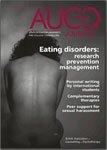 Spring 2004
-
Action research on eating disorders
Vicky Groves and Julie Devlin - Eating disorders prevention and management
Pat Davies - 'When I write, I think' - some uses of personal writing by international students
Colin Lago - Reshaping the future - student peer support for sexual harassment and assault
Lilian Wissink - Supporting counselling with complementary therapies
Suzanna Stein